Atelier Iris 2 — The Azoth of Destiny
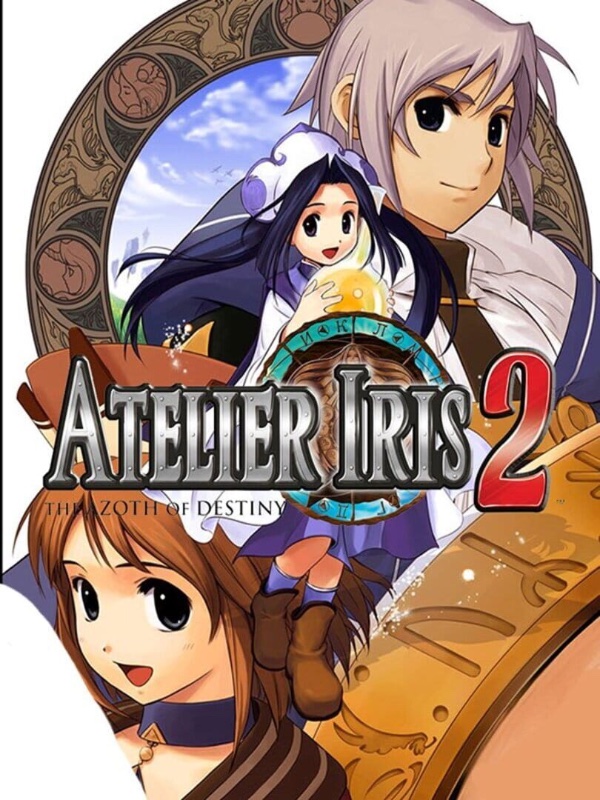
Started — 2006-08-20
Platform — PlayStation 2
Atelier Iris 2: Bilingual Mode
Originally posted 2006-08-25.
Offering the original Japanese voices with the translated English text is one of the greatest gifts NIS America has given gamers. They should be applauded and thanked. But this bilingual mode exposes the accuracy of the translation to judgment.
For the most part, the translation is good. Sometimes I encounter bits I would have treated differently, especially when a character’s whole demeanor or intention is obscured: Beggur in the first Atelier Iris, a melodramatically chivalrous knight, talks smack like a wiseass teenager in the English version; often, plot points are dropped on the floor beween the languages. But other times a line is simply wrong: The unnamed subject is misunderstood, or one word is mistaken for another.
What’s cruel is that in a game localized by any other company, we’d never know the difference. The only reason we catch it is because NIS America has the guts to let us see the original side by side with their interpretation of it. I’m sure that with tight schedules and limited budgets, it’s impossible to get everything right. So I’m doing my best to appreciate that these lovely games came out in my home country at all, and cherish the inspired translations, while letting the blunders slide.
Maybe I’m just taking the chance to say that I’ve looked at a professionally-made product and, after having done amateur translation for 4 years and written professionally for 2 years, felt that I had some authority on its quality. Maybe next time I’ll critique the user interface. :D
Atelier Iris: Eternal Grammar
Originally posted 2006-09-12.
Language malfunction of the week: Atelier Iris 2. The localization has better writing than the first game, but it still has a ways to go before it would represent the original text well. Subject, plurality, and implications are often fouled up in the English. And sometimes the English is just wrong:
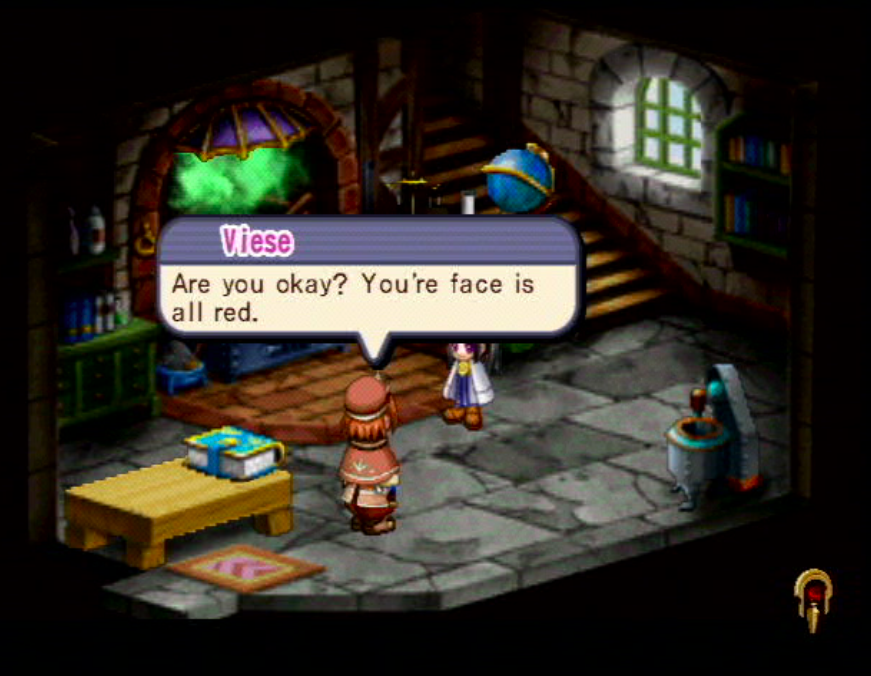
Technological malfunction of the week: When I plugged my Dazzle DV Bridge into my MacBook to capture this scene, the MacBook simply turned off. No kernel panic, no crash reporter on restart. It just decided not to be on anymore. This happened twice in a row; I tried a different FireWire cable and it was okay.
Atelier Iris 2 Complete
Originally posted 2006-09-24.
I finished Atelier Iris 2 tonight, finally. The last dungeon and final boss took a lot of leveling up and backtracking to collect better items.
Awesomes:
The story of Felt and Viese, exchanging letters between two different worlds, and finally reuniting, is heartwarming. They did a great job of telling that story. Viese is one of my favorite game characters of all time.
This series is a legendary story in which you actually get to see the legends. Many stories make reference to legendary people, events, and artifacts from the distant past; if they were so great, why is the game about some people who lived way after them? In AI2 you actually go back and meet the people, experience the events, and create the artifacts that were legendary in AI1.
The combat system felt quite fun, trying to balance Break attacks (which can delay the enemy’s turn and earn you chains for big experience bonuses) and Charge attacks (which can set you up for special moves). The encounter bar, which I liked from Ar tonelico, made random battles way less annoying than in AI1.
Anti-awesomes:
- As I posted before, the localization was not ideal. It was better than AI1, but it still had a lot of mistakes. The worst was the way they localized the name エラスムス. It’s obviously supposed to be “Erasmus”, a real name belonging to historical figures such as Erasmus Darwin, Erasmus of Rotterdam, and Saint Erasmus. They spelled it “Elusmus” for some reason. Likewise, a tablet became a “doublet”, even though in the dialogue someone says “what’s this tablet?”
- The game has some bugs. Like in AI1, character’s voices sometimes skip or get cut off. Many localized strings don’t fit in their boxes, so they dangle outside the boxes or just get chopped. Likewise, some boxes are too tall for their contents, so you end up with an empty line at the bottom of a speech bubble. This is all stuff I probably would have let go back before I became a part of the QA process at a software company.
- A few times in the story, when “Elusmus” is speaking (and it’s obvious because his voice has some digital effects on it), the dialogue label says “Felt”. If I wasn’t paying close enough attention that could have gotten confusing, especially because almost everyone speaks with the same dialect whether they’re an easygoing teenaged swordfighter or a centuries-old alchemist’s soul trapped in a gem.